00.001
Understanding Identity Through Motion, Sound & Culture
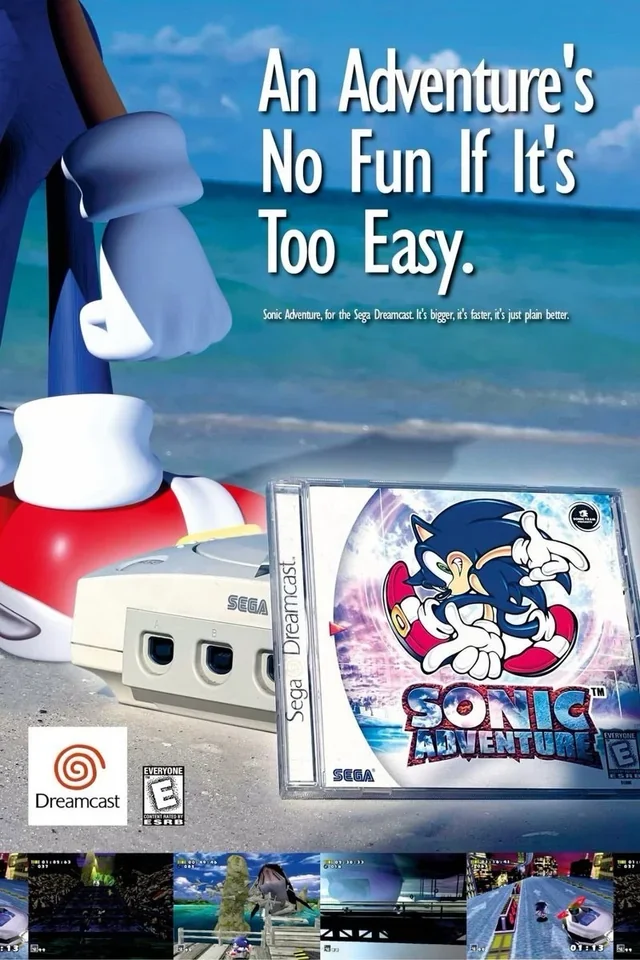
Growing up, I never really questioned why Sonic stayed with me. He was just there from the beginning. My first console was a Sega Master System from Tec Toy in Brazil, and it came with Sonic. Years later I got the Dreamcast, together with Sonic Adventure and Sonic Adventure 2. Looking back at it now, I realise that these games and consoles probably influenced my taste in design more than I ever noticed at the time.
It wasn't only Sonic himself. It was the blue, the typography, the music, the speed, the attitude, the characters, the worlds and later the design of the Dreamcast itself. Everything seemed to belong together. I didn't have the words for it when I was younger, but looking at it now, I see a very strong and consistent visual and cultural identity.
That's what made me want to do this study. I want to understand what it was about Sonic and the Dreamcast that stayed with me for so long, and what I can learn from it as a designer today.

Why this study?
More than thirty years later, Sonic is still one of those characters that almost everyone recognises. The Dreamcast has had a similar kind of life. It didn't become the commercial success Sega probably hoped for, but it has stayed relevant to designers, collectors and people who grew up with it.
That made me curious. Why do some products disappear after a few years, while others become something people keep coming back to?
I didn't want this study to simply be a history of Sonic or Sega. I wanted to look at the design behind it. The character, the colours, the typography, the music, the hardware, the branding and the stories around it. More importantly, I wanted to understand how all these different things came together to create something that still feels recognisable today.
For me, this is also personal. Sonic and the Dreamcast were part of my childhood, long before I understood anything about design. Looking at them now as a designer gives me the chance to understand why they had such a strong impact on me, and what I can take from that into my own work.
“For me, this is also personal. Sonic and the Dreamcast were part of my childhood, long before I understood anything about design.”
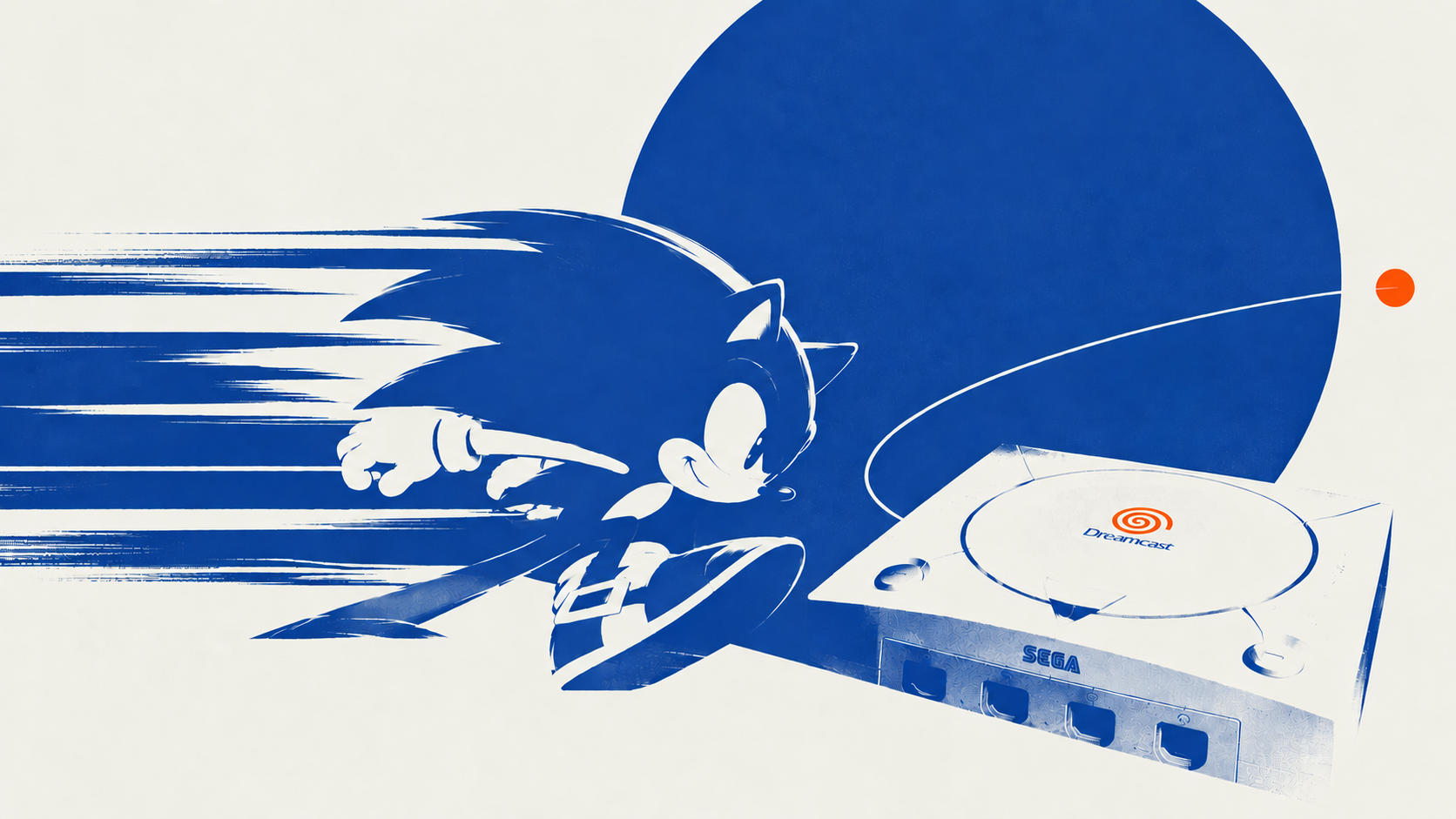
Sega begore SOnic
To understand Sonic, you first have to understand Sega. By the late 1980s, Nintendo was dominating the home console market. Mario was already more than a video game character. He had become the face of gaming itself. Sega had the hardware. What they didn't have was a character that could represent where they wanted to go. Alex Kidd never really became that character. Sega needed something different. Something faster, louder and with a bit more attitude. Among all the names that were considered, Sonic was the one that really stood out.
The name came from supersonic, which is basically about breaking the sound barrier and going beyond what was possible before.
I like that the name wasn't really describing the character himself. It wasn't about his looks or personality. It was more about what he represented.
Speed. Movement. Progress. Something new.
That fitted Sega really well at the time. They wanted to move faster and challenge Nintendo in a different way.
And Sonic was a pretty perfect name for that.
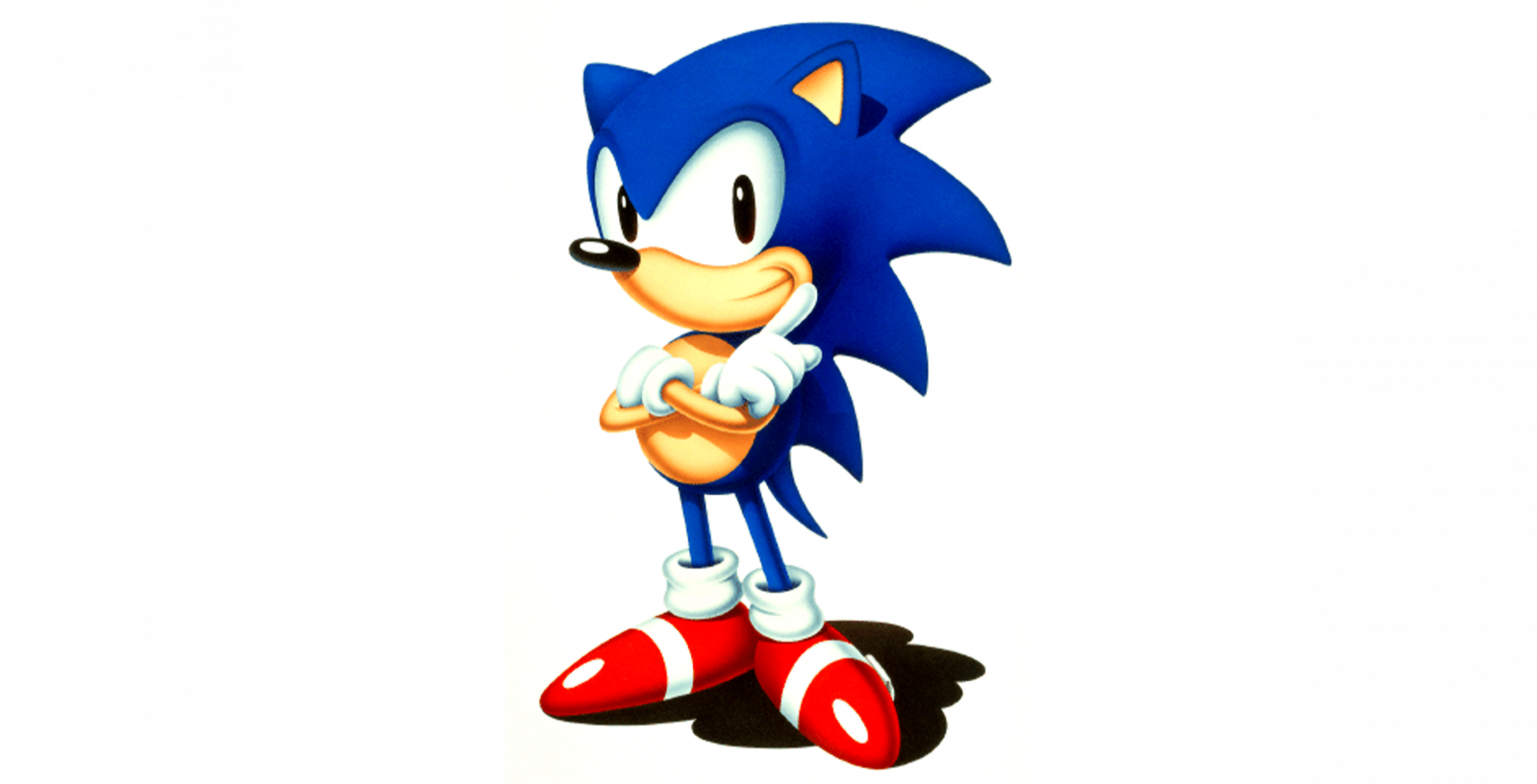
a Character That Already Felt Timeless
When Sonic Team looked at some of the most recognisable characters in the world, from Disney to Marvel, they noticed something interesting. These characters didn't feel like they had simply been created for a game or a movie. They felt like they had always been there. They had a history, a world and stories that existed beyond the character itself.
Sonic didn't have any of that yet. So they started building it.
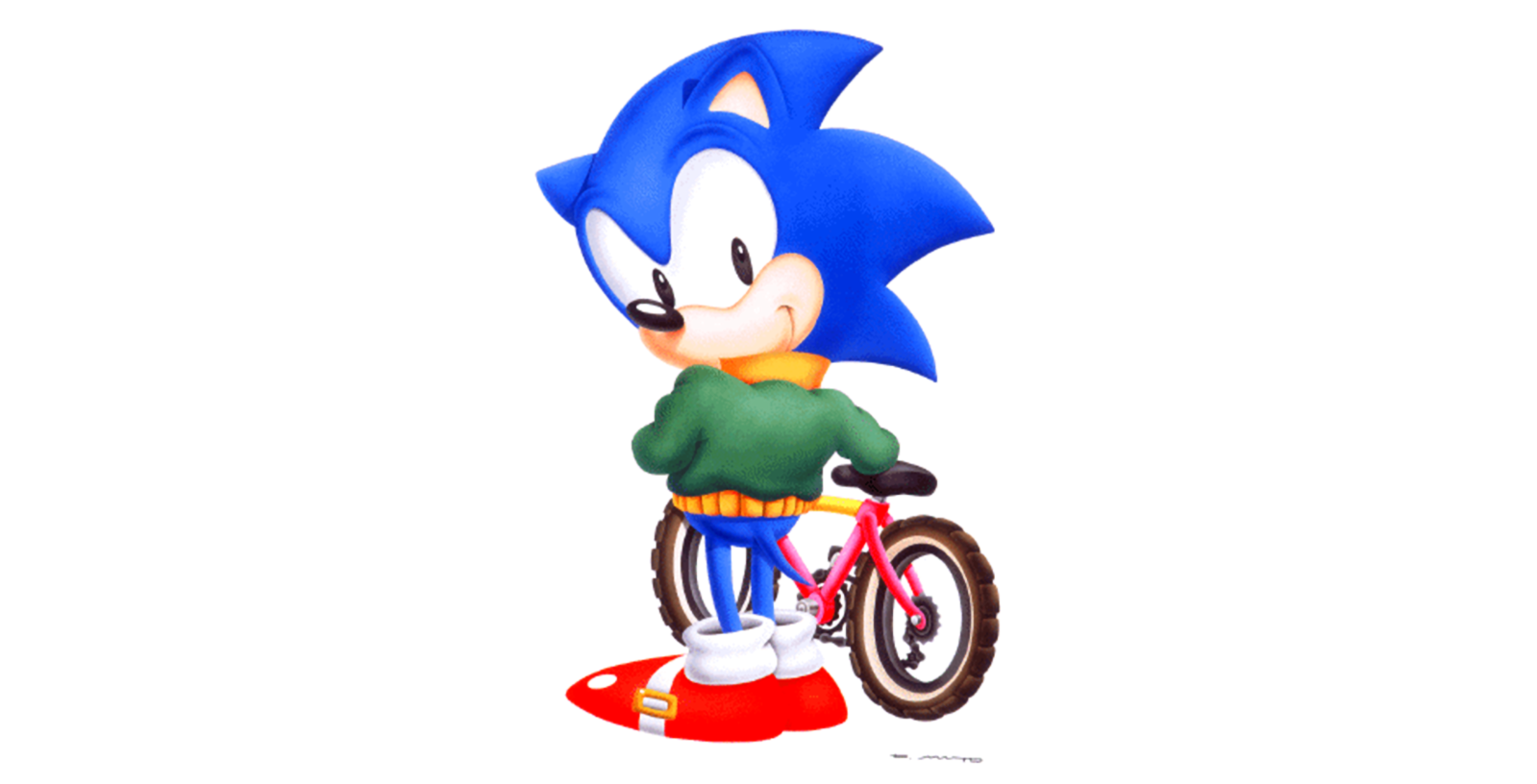
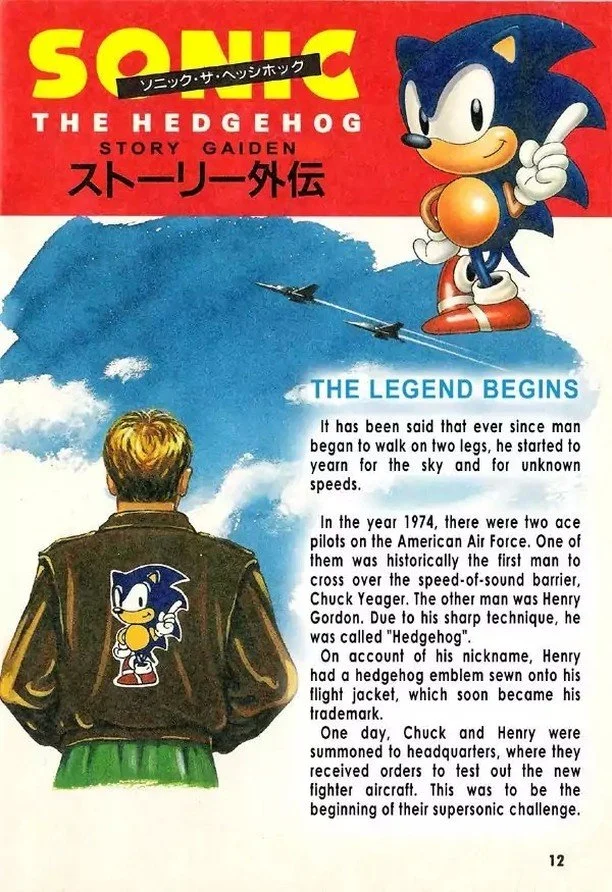
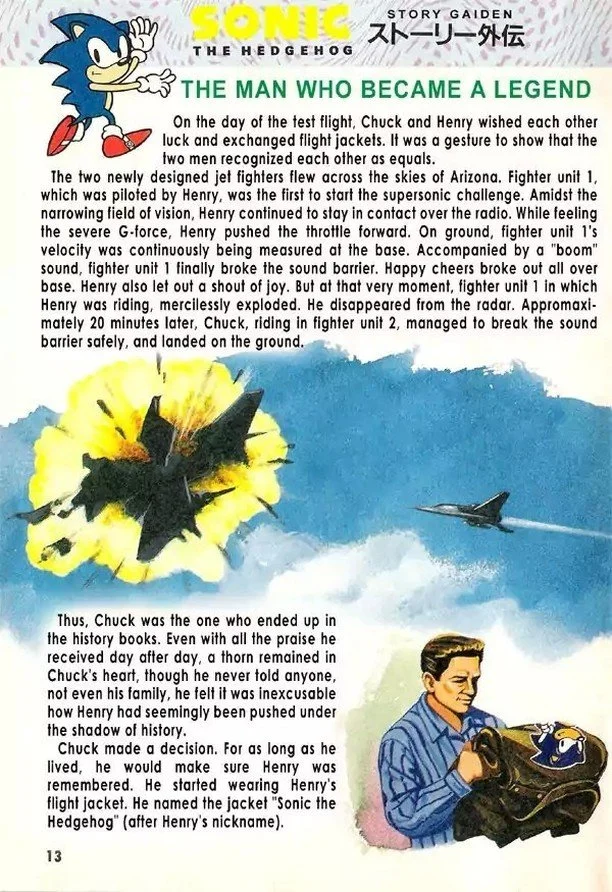
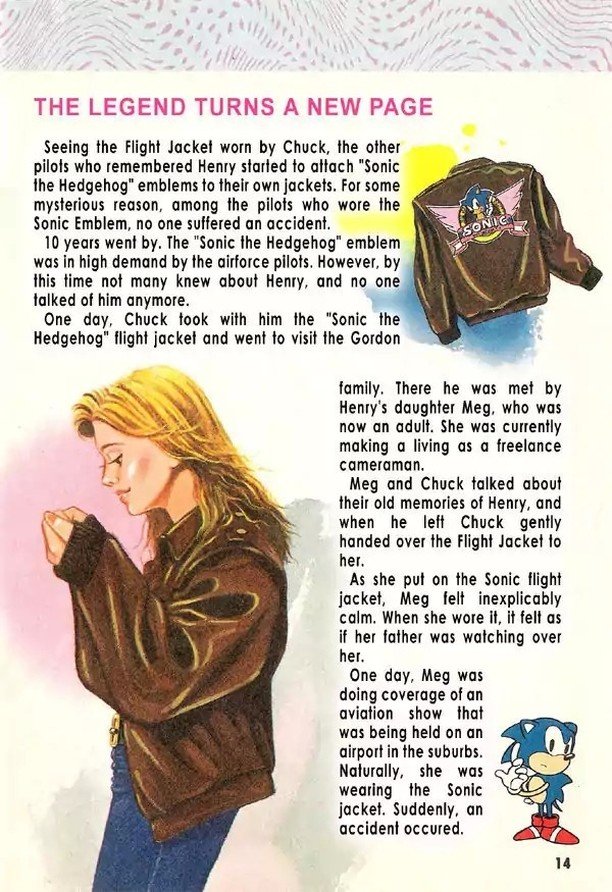
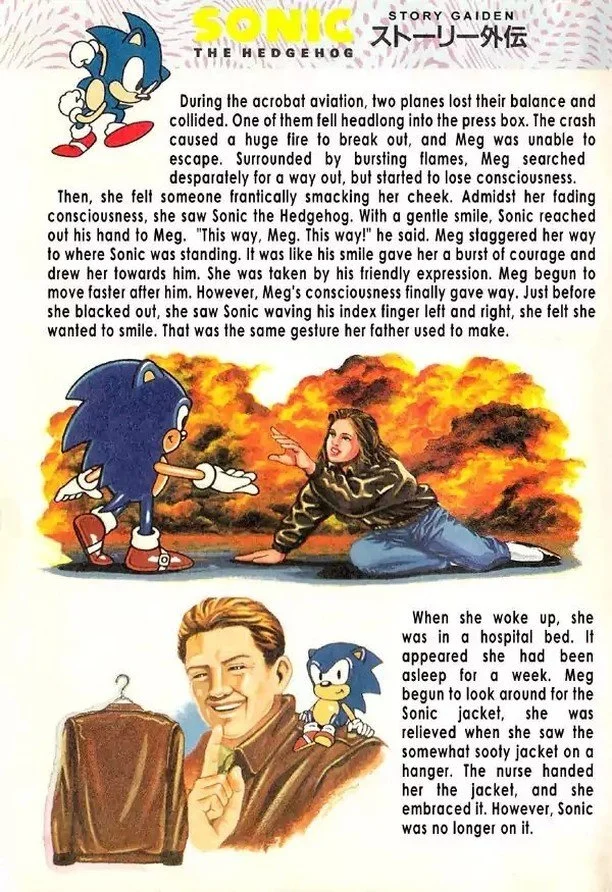
Naoto Ohshima and Hirokazu Yasuhara didn't just think about Sonic as a character inside a game. They imagined him as if he could have existed in our own history. They looked at things like vintage American flight jackets, military patches and aircraft nose art and started building a story around those ideas.
The story begins in post-war America. In 1947, an unnamed fighter pilot became known as "Hedgehog" because of the way his hair stood up after taking off his flight helmet. His wife, children's author Marie Granette, turned the nickname into a character for her stories: a brave blue hedgehog called Sonic. She eventually painted the character onto the back of her husband's leather flight jacket.
Over time, the pilot's real name was forgotten, but the symbol remained.
Sonic survived.
I think this is what makes the story interesting. Sonic wasn't really imagined as just another mascot. He was given a past, a story and a sense that he had existed before we ever played the game.
Movement as Identity
This is probably one of the things I find most interesting about Sonic.
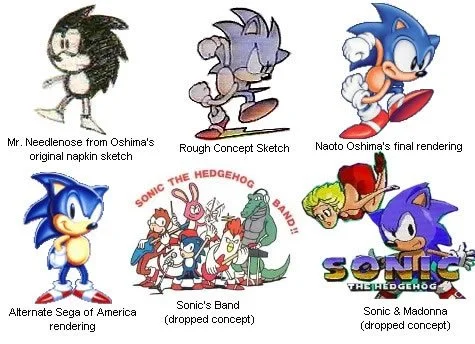
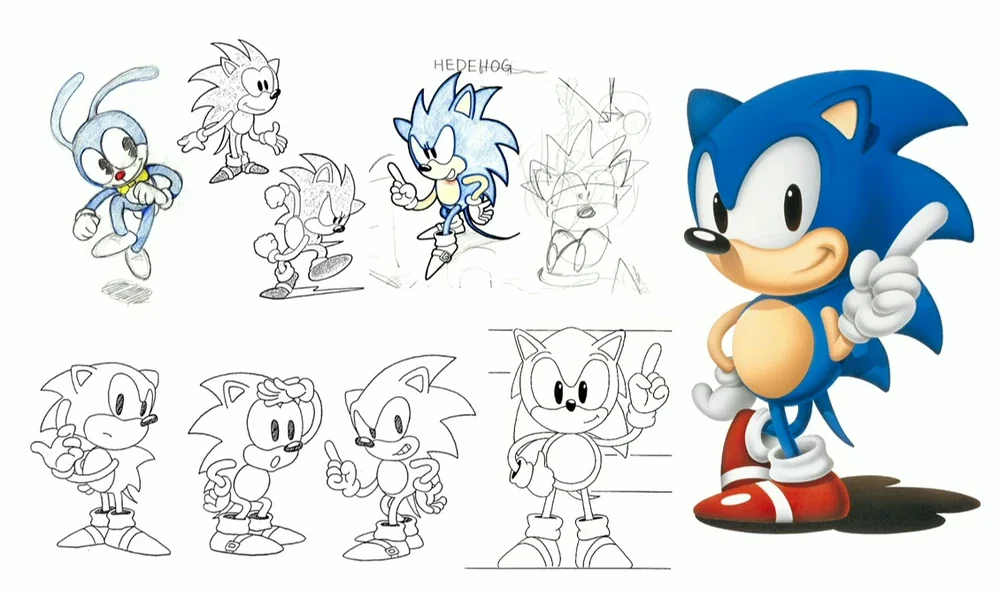
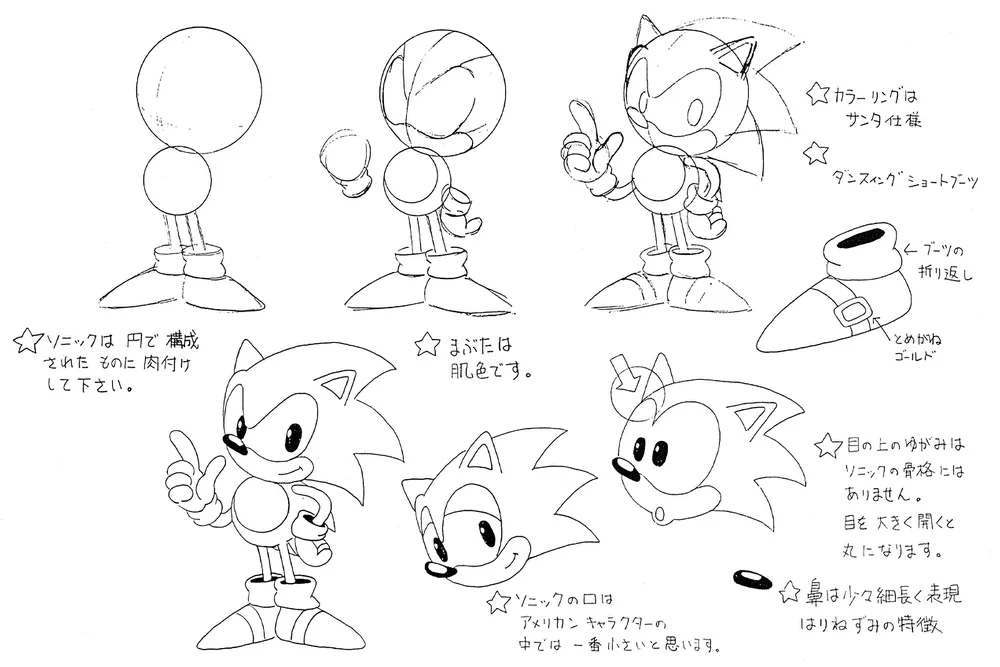
He wasn't designed around a colour. He wasn't designed around a particular shape. The whole character was built around movement.
You can see it in the way he looks. His spikes point backwards, his eyes look forward and his body has this slight lean that makes him feel like he's already moving, even when he's standing still. Nothing really feels static.
Even the typography follows the same idea. The logo has that slight angle and energy to it. It feels like it's going somewhere.
Sonic doesn't just represent speed. He represents momentum.
And I think that's an important difference. Speed is a number. Momentum feels like something that keeps going.
That idea became part of almost everything around Sonic.

The Sound of Speed
I don't really want to look at each Sonic game separately here. What interests me more is how the music changed with Sonic over time.
The soundtracks aren't just a collection of good songs. They are a big part of how Sonic's identity developed. As the character changed, the music changed with him. New technology, new genres and new influences kept finding their way into the games.
Pop → Jazz → House → New Jack Swing → Alternative Rock → Hip-Hop → Drum & Bass → Orchestral Rock
Each period brought something different, but there was always something that still felt like Sonic: movement, optimism and energy.
You can hear it in the early games with Masato Nakamura's pop-influenced sound, the more experimental electronic direction of Sonic CD, the funk and R&B influences in Sonic 3 & Knuckles, and later the rock and hybrid sound of Sonic Adventure and Sonic Adventure 2.
What I find interesting is that Sonic's music never really stayed in one place. It kept moving with the culture around it. The games picked up sounds that were happening at the time and made them part of the Sonic world.
How Sega Built the Future Before the Industry Was Ready
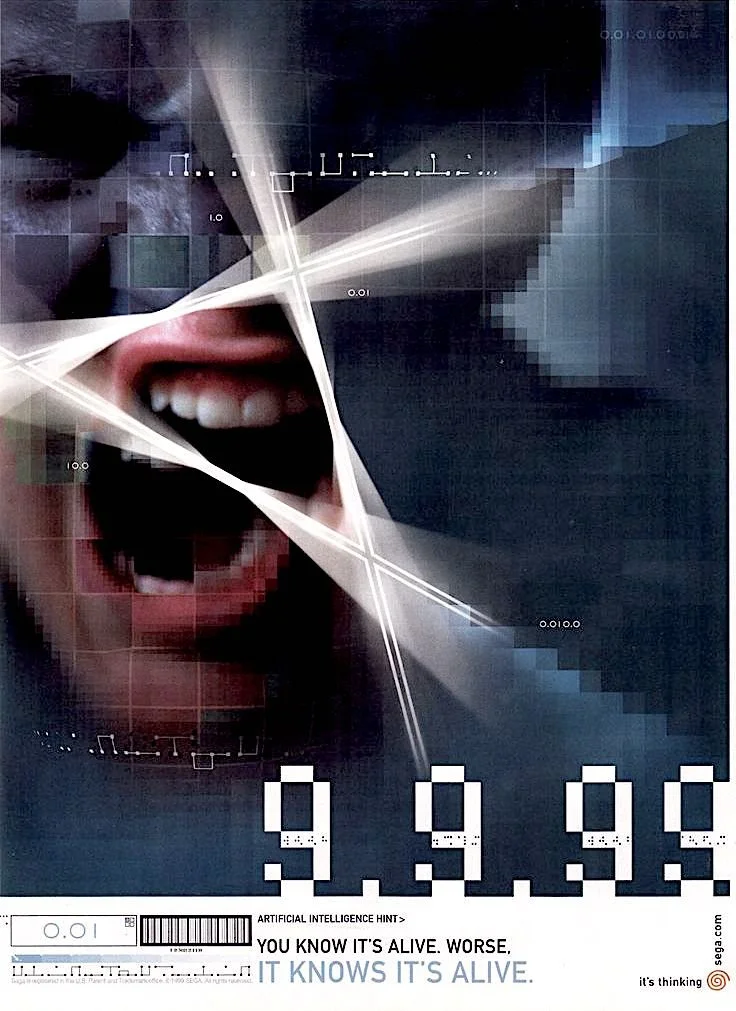
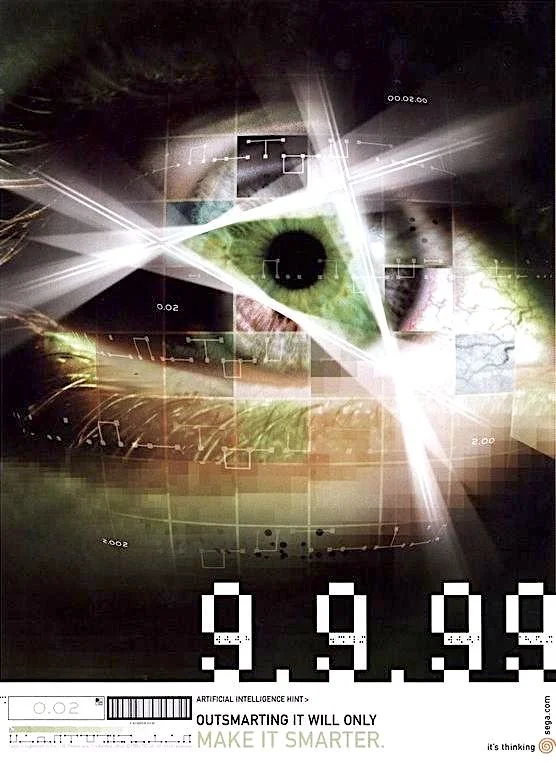
The Dreamcast was more than Sega’s final home console. Released in 1998, it felt like Sega was imagining a future the industry wasn’t ready for yet.
While other consoles were focused on power and graphics, Sega seemed more interested in the experience. The connection. The interaction. The feeling.
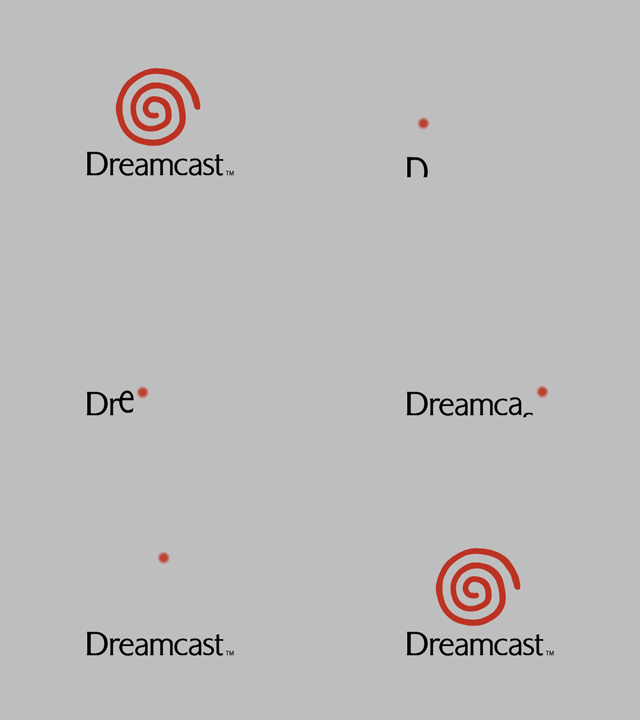
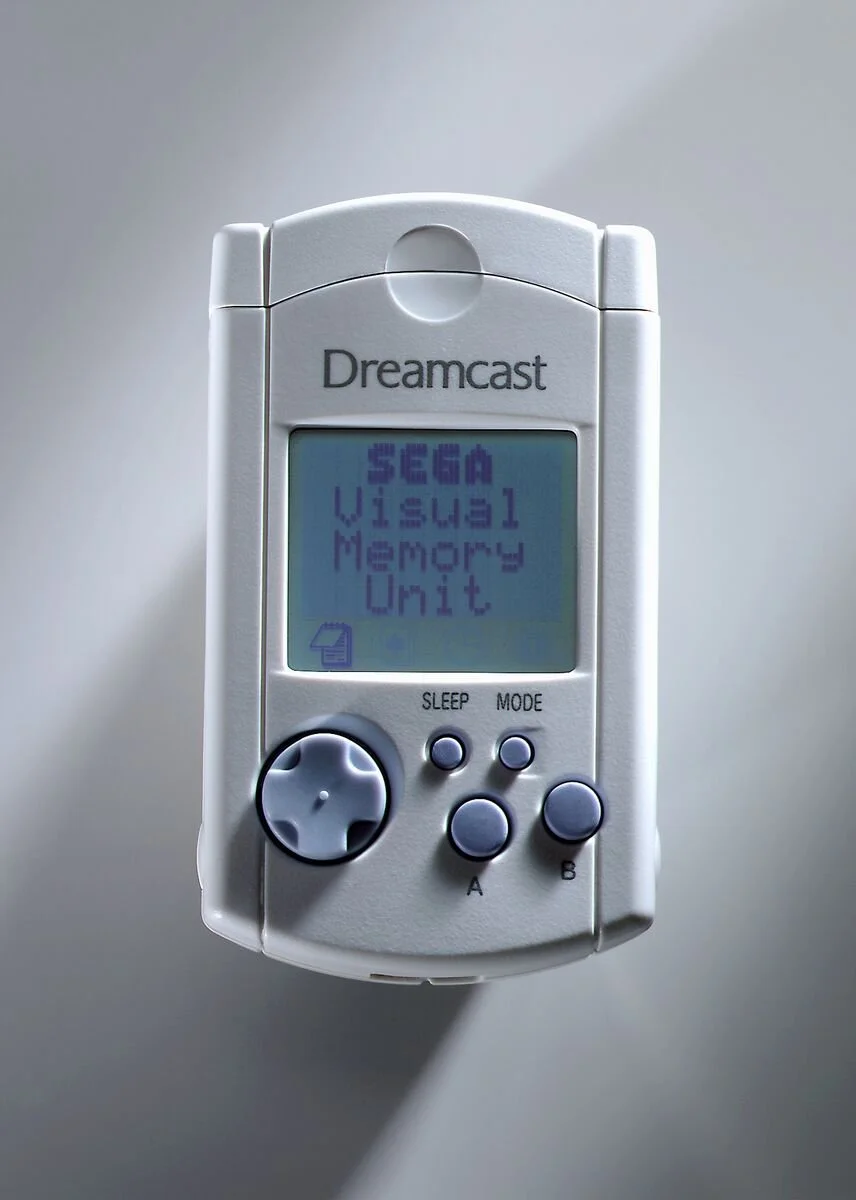
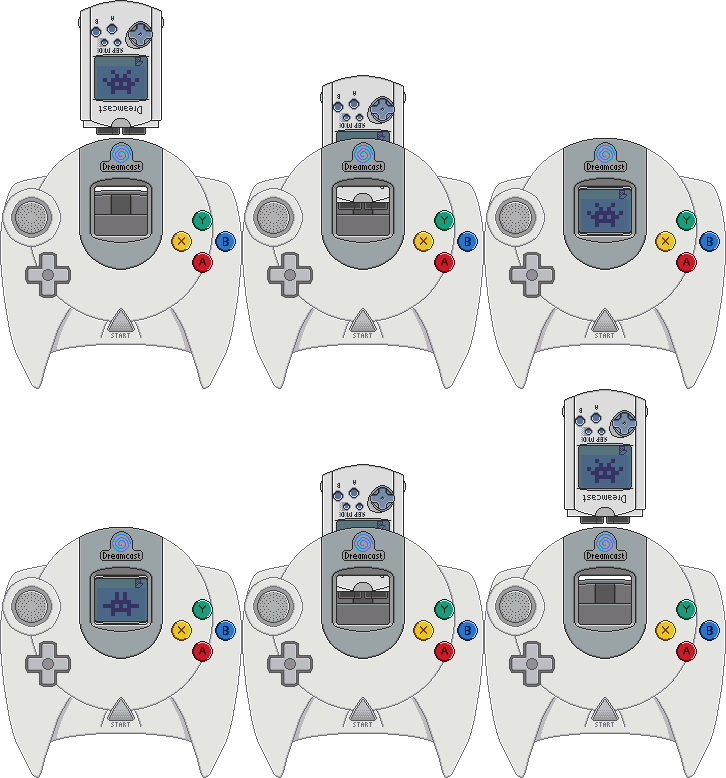
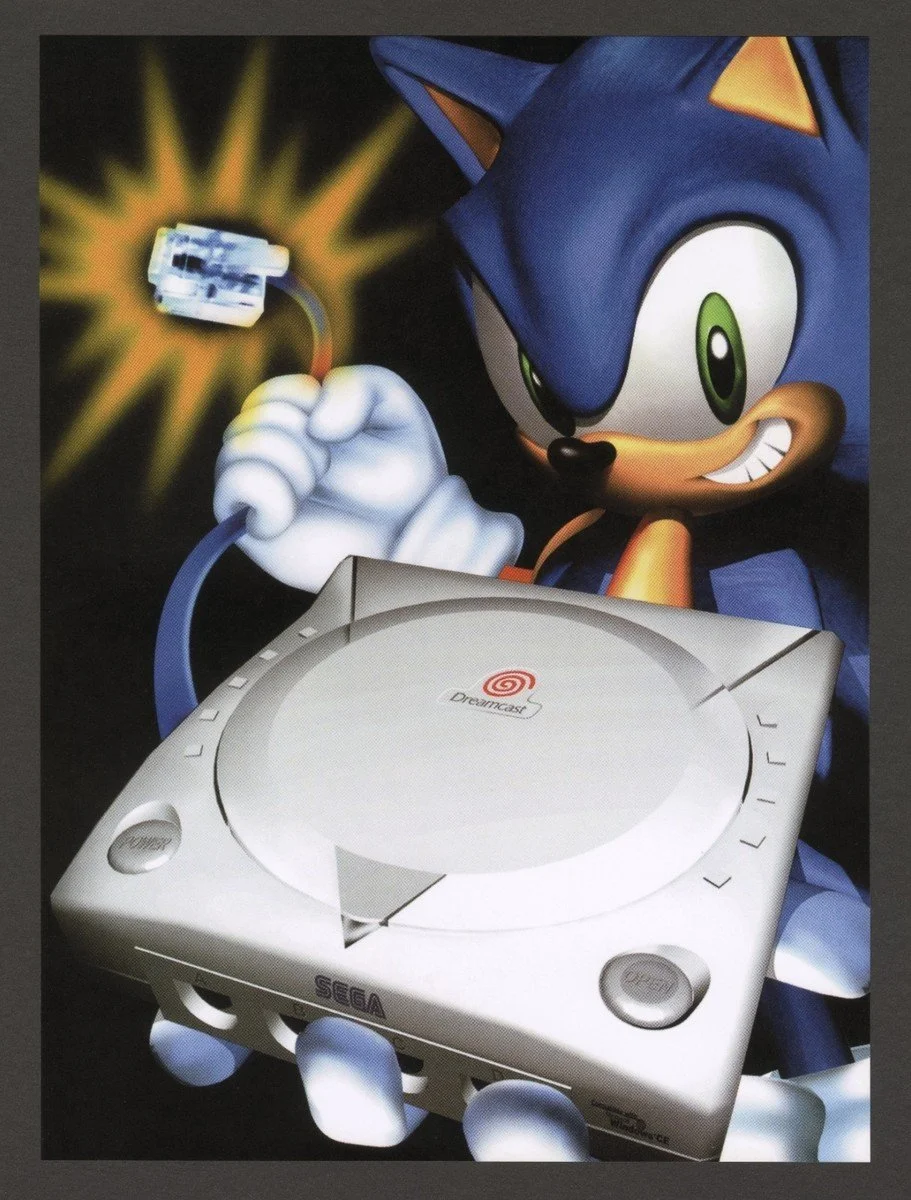
You can see it in the details—the VMU, the startup animation, the sound, the typography, the orange swirl. Everything had its own character.
And for me, that’s what makes the Dreamcast so special. I still remember turning it on, hearing that sound and seeing that orange screen. It felt like something new was about to happen.
That feeling has stayed with me. Even now, it doesn’t feel like an old piece of technology. It reminds me of a future I wanted to be part of.